Understanding Privacy Policies Through the Lens of EEEJL
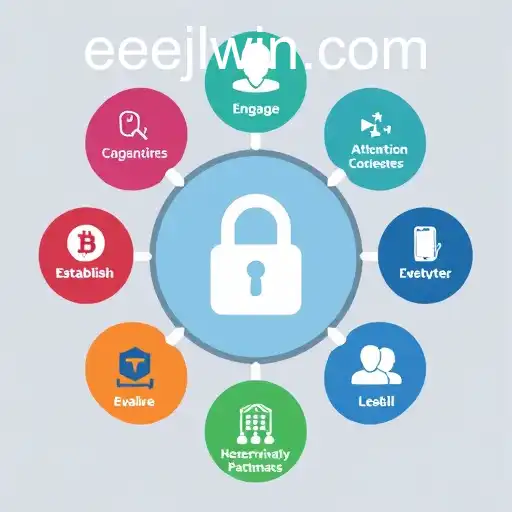
Privacy policies have become essential documents for organizations managing digital platforms and services. With the proliferation of digital data, these policies play a crucial role in defining how personal information is collected, used, and protected. The term EEEJL emerges as a key focus in understanding privacy policies. EEEJL, an acronym for Engage, Establish, Evaluate, Justify, and Limit, represents a structured approach to crafting effective privacy guidelines. In this exploration, we delve into each component of EEEJL, offering insights into how they collectively shape a comprehensive privacy policy.
Engage: The Starting Point of EEEJL
Engagement is pivotal in the execution of any privacy policy and forms the foundation of the EEEJL approach. Organizations must actively communicate with their audience to cultivate trust and transparency. Effective privacy policies articulate how data will be handled from the moment it is collected. It is crucial that policies are written in clear, accessible language, free of jargon that could obscure their meaning. By engaging consumers in this manner, organizations can foster a sense of security and build confidence in their digital practices.
Engaging Stakeholders
Incorporating stakeholders' input during policy formulation is equally important. This inclusion ensures that policies resonate with user expectations and uphold the standards of the industry. Public consultations, feedback loops, and interactive sessions can aid organizations in gathering valuable insights that refine privacy policies further.
Establish: A Framework for Privacy
Once engagement is established, the next step in EEEJL involves creating a solid framework for data protection. This aspect focuses on defining the scope of the policy, outlining the types of data collected, and specifying the purpose of data usage. By establishing these parameters, organizations create clarity and enhance accountability.
Policy Structure
A well-structured privacy policy must enumerate the legal rights of users and the obligations of the organization. It is imperative to include sections such as data storage practices, data retention timelines, and detailed information about third-party data sharing. With these elements in place, users gain a deeper understanding of the mechanisms safeguarding their data, aligning with legal mandates like GDPR or CCPA where applicable.
Evaluate: Continuous Improvement
The EEEJL model emphasizes the continuous evaluation of privacy policies to adapt to the ever-changing digital landscape. Regular reviews and audits help identify potential risks and uncover areas of non-compliance. By evaluating the policy execution in real-world scenarios, organizations can refine their approaches and ensure alignment with current technological advancements and regulatory requirements.
Audit and Assessment
Conducting thorough security audits and privacy assessments are vital. These processes not only highlight vulnerabilities but also promote proactive improvements. An ongoing cycle of policy evaluation is essential to maintaining robust privacy standards over time.
Justify: Rationale Behind Data Practices
For a privacy policy to gain user trust, organizations must justify their data collection and processing activities. Transparency in these practices builds confidence, ensuring users understand why particular data is necessary for service enhancement or operational efficiency.
Demonstrating Value
Justification involves communicating the value that data processing brings to the user experience. Offering scenarios and examples where data utilization leads to personalized services or improved product offerings can justify why certain information is collected. Striking a balance between operational needs and privacy considerations is critical in this stage.
Limit: Boundaries and Constraints
Finally, the Limit aspect of EEEJL underscores the importance of setting boundaries on data usage. Restrictions on data access, retention, and distribution are pivotal to preventing misuse and ensuring compliance with legal standards. Limitation serves as a safeguard, protecting both the organization and its users from potential data breaches and privacy violations.
Implementing Controls
Effective controls include implementing data anonymization, encryption, and access restrictions. By delineating clear boundaries within the privacy policy, organizations convey their commitment to protecting personal information, reasserting trust with their user base.
Conclusion
In the realm of digital privacy, EEEJL provides a comprehensive framework for developing and maintaining robust privacy policies. Through engagement, establishment, evaluation, justification, and limitation, organizations can create policies that protect user data while fostering trust and transparency. The nuanced understanding of each EEEJL component enables businesses to navigate the complexities of privacy management in the digital age, ensuring a secure and trustworthy online experience for all stakeholders.